Alphabet matching or spelling puzzles: which should you choose?
By ToyzPool · Published
Understand the difference between matching letters and building words, with practical play ideas and links to ToyzPool’s alphabet and spelling puzzles.
Two different tasks, even when the boxes look similar
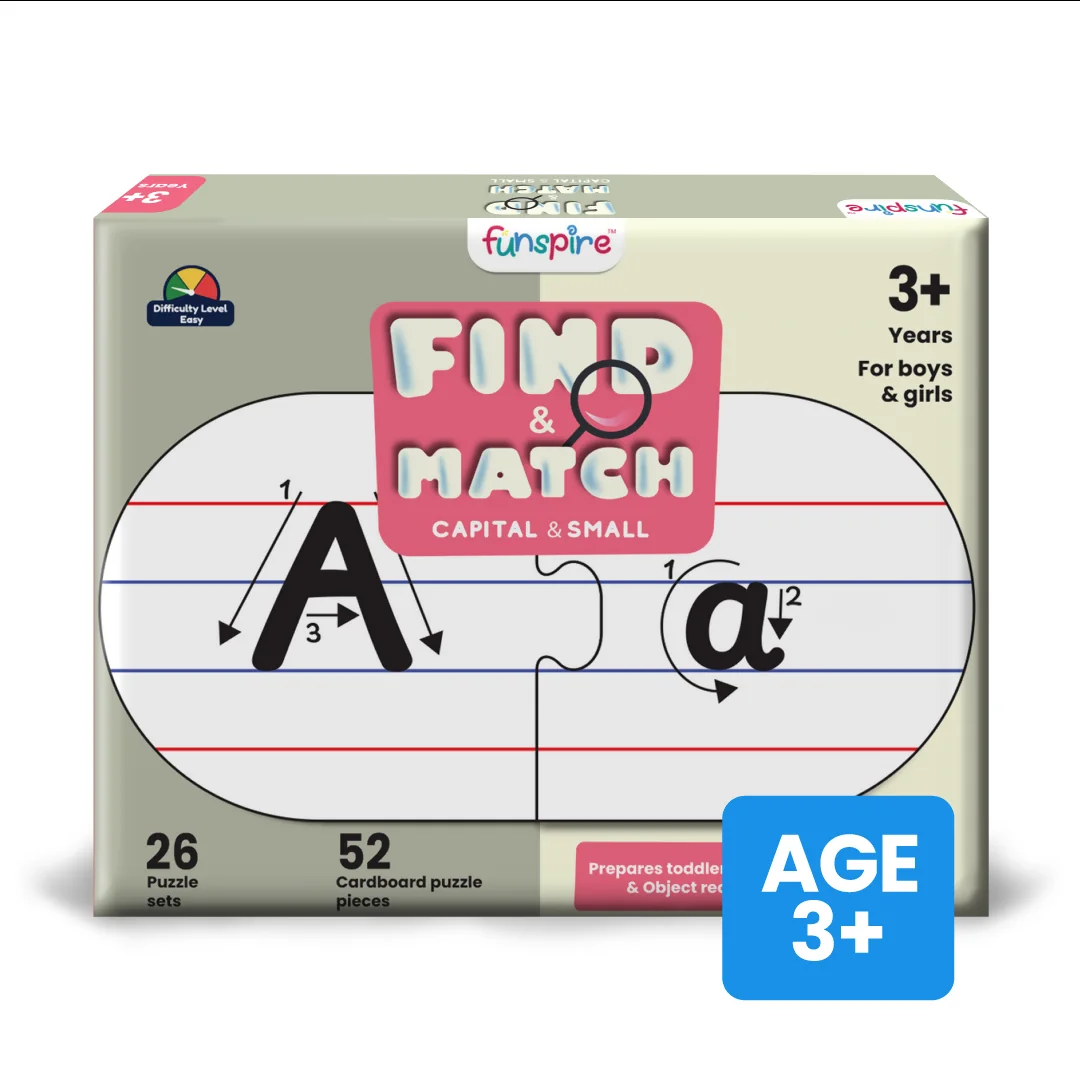
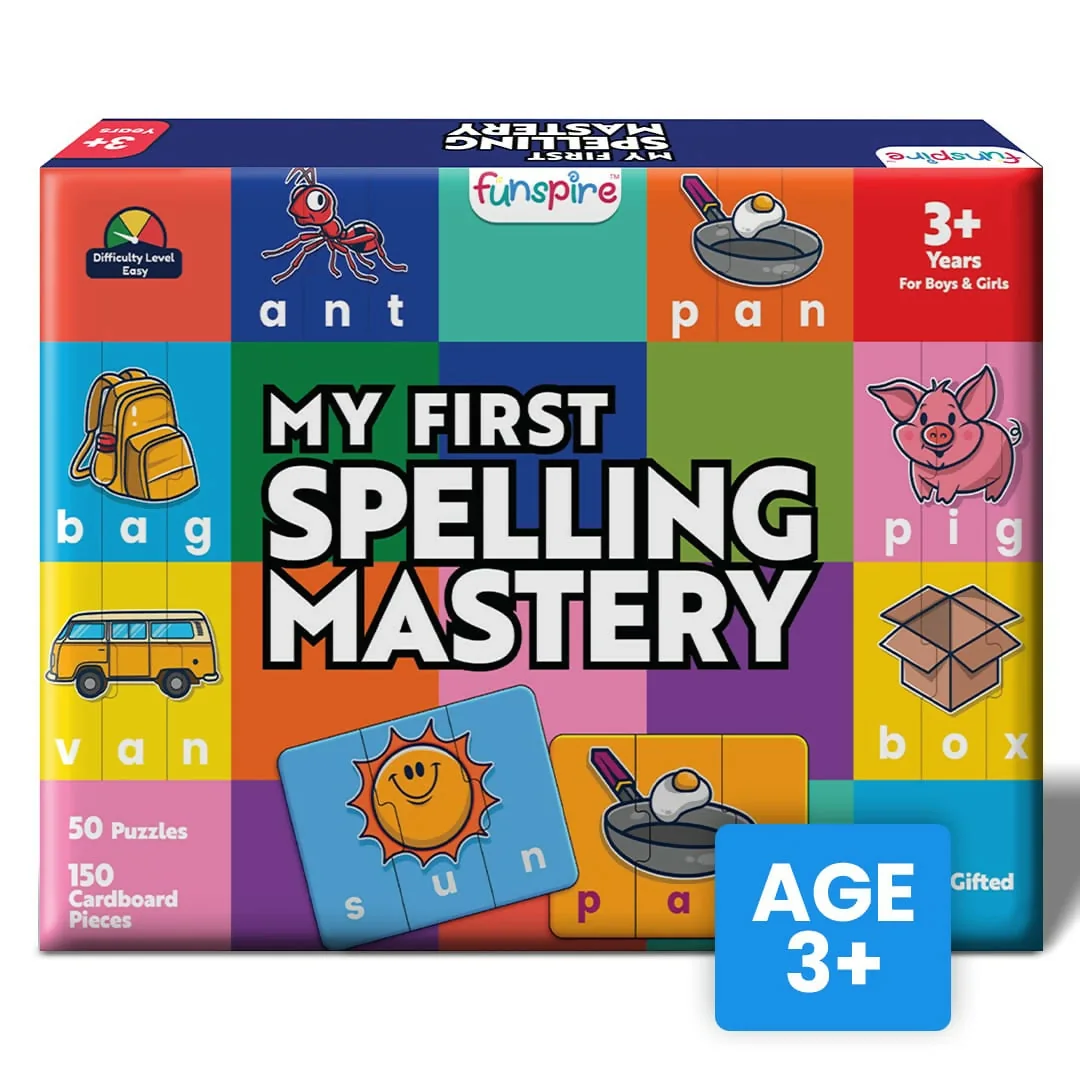
An alphabet matching puzzle centres on finding a pair: a letter, a picture or another matching piece. A spelling puzzle asks the player to arrange letters into a word. Both can involve pictures, but the decision the child makes is different.
ToyzPool’s Alphabet Match Puzzle and Spelling Mastery Puzzle are examples of these two formats. Use their product photos and contents to compare what the player actually handles. This guide compares the activities; it does not replace either product’s recommended age or warnings.
Choose matching for a clear starting point
If letter activities are new, a small matching task can be easier to introduce than a whole box of word pieces. Put out two or three possible pairs and show one example. Let the child name a picture or describe what they notice before asking them to match it.
Keep the remaining pieces nearby rather than spreading everything out at once. As the game becomes familiar, add another pair or take turns finding a match. The aim is a manageable play session, not finishing every piece in one sitting.
Choose spelling for arranging letters into words
A spelling puzzle is worth comparing when the child wants to put letters in order. Start with a familiar pictured word. Look at the picture together, say the word, then use the puzzle’s own guide or example to arrange the pieces.
If the task is frustrating, reduce the choices or build the word together. You can return to matching without treating it as a test. A manufacturer’s age recommendation is one buying check; familiarity with the activity also affects how much help a child may want.
Check the details before buying
Compare the contents, piece size shown in the photos, storage and the instructions supplied. A bigger piece count can simply mean more parts to organise. Check whether the set’s language and pictures suit the person who will use it.
Read the current product page rather than relying on a guide for price or availability. For a gift, consider who will help unpack and explain the activity. Follow the packaging warnings and keep small pieces away from younger children who are not using the set.
A simple choice
Choose alphabet matching when you want a pairing activity with a clear visual prompt. Compare spelling puzzles when you want to explore how letters form words. If you are unsure, look through the gallery with the child or the adult who will play alongside them, and choose the activity they are more interested in trying.
Before ordering, check product age labels and safety information and our shipping policy.
Browse letter and spelling puzzles